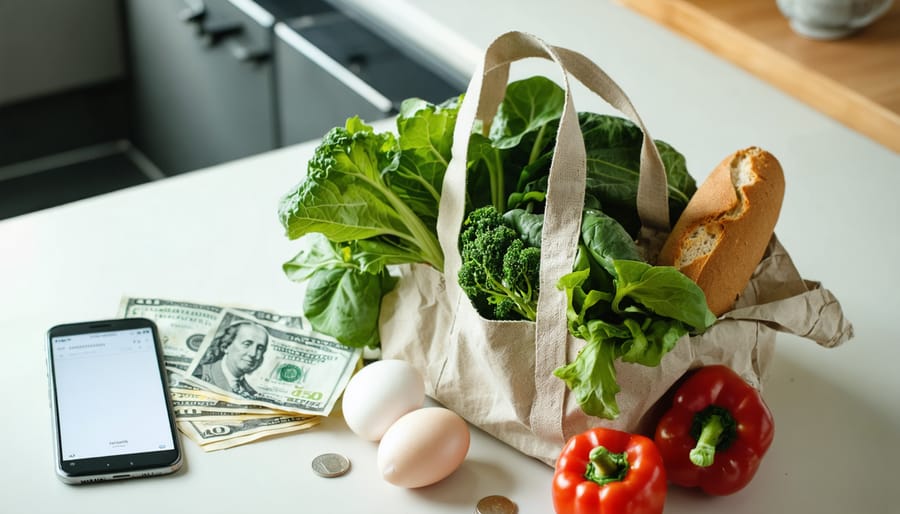
RadCred and similar AI-powered loan matching platforms are revolutionizing how Canadians access funds for nutritious eating, but smart borrowing starts with understanding your actual needs. Calculate your weekly grocery budget gap by tracking current spending versus the cost of wholesome ingredients—typically $50-75 per person weekly for balanced meals including lean proteins, whole grains, and fresh produce. Apply for loans only when you’ve mapped a specific meal plan that demonstrates how borrowed funds will establish sustainable eating patterns, not just cover immediate shortfalls.
AI loan matching works by analyzing your financial profile and connecting you with lenders offering terms suited to your situation, often within minutes. The technology considers factors like credit score, income stability, and borrowing purpose to recommend appropriate loan amounts—ideally $500-2,000 for meal planning initiatives that include bulk purchasing nutrient-dense staples.
Before borrowing, master eating healthy on a budget through strategic shopping: buy seasonal vegetables, choose frozen produce for equal nutrition at lower cost, and invest in versatile proteins like eggs, legumes, and canned fish. Loans should supplement—not replace—these fundamental money-saving strategies.
This approach transforms financing from emergency relief into strategic investment in your wellness journey, creating lasting habits rather than temporary solutions.
The Real Cost of Eating Healthy in Canada
Why Your Grocery Bill Keeps Climbing
If you’ve noticed your grocery receipts creeping higher each month, you’re not imagining things. Canadian shoppers are navigating a perfect storm of economic pressures that make healthy eating feel increasingly out of reach.
Inflation has hit our food system particularly hard, with grocery prices rising significantly faster than general inflation rates. The cost of fresh produce, lean proteins, and whole grains—the building blocks of nutritious meals—has climbed steadily over recent years. When staples like chicken breast, leafy greens, and whole wheat products carry premium price tags, maintaining a balanced diet becomes a genuine financial challenge.
Seasonal pricing adds another layer of complexity. That vibrant winter produce comes at a cost, especially in Canada where climate necessitates importing fresh fruits and vegetables during colder months. Summer strawberries that cost $3 might jump to $6 in January.
The organic and whole food premium creates an additional hurdle for health-conscious shoppers. While these options offer nutritional benefits and align with wellness goals, they typically cost 20-50% more than conventional alternatives. For families committed to clean eating, this premium can strain even well-planned budgets, forcing difficult choices between financial stability and nutritional priorities.
Understanding these pressures is the first step toward finding sustainable solutions that don’t compromise your health or financial wellbeing.
The Hidden Costs of Budget Meal Planning
While many budget-friendly healthy eating strategies promise savings, the reality often involves significant upfront investments that catch people off guard. Buying in bulk seems economical until you realize it requires $200-300 to stock your pantry properly. Quality food storage containers, a reliable slow cooker, and meal prep essentials can easily add another $150-250 to your initial costs.
These hidden expenses create a genuine barrier for Canadians trying to eat well on limited budgets. You need space to store bulk purchases, equipment that works reliably, and enough containers to portion meals effectively. Many wellness-focused individuals discover that “saving money” through meal planning actually requires spending money first—a catch-22 that makes healthy eating feel financially out of reach.
This is where AI loan matching enters the conversation. Rather than abandoning nutritious eating goals due to upfront costs, small personal loans can bridge this gap, allowing you to invest in the tools and ingredients that make economic meal planning truly sustainable long-term.
What AI-Powered Loan Matching Actually Does
How the Technology Reads Your Financial Health
Think of AI loan matching as a friendly financial nutritionist for your wallet. The technology works by securely connecting to your banking information—with your permission—to create a comprehensive snapshot of your financial wellness.
Here’s what happens behind the scenes: The system reviews your regular income sources, tracks monthly expenses like rent and utilities, and identifies your spending patterns. It’s particularly interested in understanding where your money goes each month, including grocery spending and dining habits. This isn’t about judgment; it’s about finding solutions that fit your actual lifestyle.
The AI looks for key indicators: consistent income, manageable debt-to-income ratios, and spending flexibility. For health-conscious Canadians focused on nutritious eating, the technology can identify room in your budget for strategic borrowing—perhaps for bulk purchases of organic produce or investing in quality meal prep equipment.
What makes this approach different from traditional loan applications is its holistic view. Instead of just checking your credit score, it considers your entire financial ecosystem. The system recognizes positive patterns, like consistent grocery spending or reduced restaurant costs, which might indicate financial responsibility that traditional lenders miss.
The analysis typically completes within minutes, matching you with lenders who align with your specific financial profile and borrowing needs—all while maintaining strict privacy standards.
Finding Loans That Fit Your Wellness Goals
AI-powered loan matching works by analyzing your financial profile alongside your wellness priorities to connect you with lenders who understand health investments. Instead of browsing countless options yourself, the system evaluates your income, credit history, and specific needs—like funding a meal prep service or purchasing quality kitchen equipment—to present tailored loan offers with competitive rates.
The beauty of these platforms lies in their ability to recognize that nutrition-related expenses aren’t frivolous spending. Many lenders now offer specialized programs for health improvements, viewing meal planning investments as preventative care that can reduce long-term healthcare costs. The AI considers factors like your monthly grocery budget, dietary goals, and repayment capacity to suggest loan amounts that won’t compromise your financial wellness.
When exploring these options, look for lenders offering flexible terms specifically for wellness expenses. Some provide lower interest rates for nutrition programs or meal delivery subscriptions. The matching process typically takes minutes, asking questions about your health objectives—whether you’re investing in organic produce, CBD-enhanced meal plans, or cooking tools that support home meal preparation.
Remember, the goal is finding financing that enhances rather than strains your budget. The right loan should help you establish sustainable eating habits without creating financial stress that undermines your overall wellness journey.
Smart Ways to Use Loan Matching for Your Food Budget
Investing in Bulk Buying and Meal Prep Equipment
Strategic investments in meal prep infrastructure can transform your healthy eating budget from a constant struggle into a sustainable success. A small, manageable loan through AI matching platforms might help you acquire essential items that deliver long-term savings and nutritional benefits.
Consider a chest freezer as your first investment—typically $200-400, it allows you to buy organic proteins and vegetables in bulk when they’re on sale, reducing per-meal costs by 30-40%. You’ll lock in seasonal pricing on local produce and take advantage of farmers’ market bulk discounts that are otherwise out of reach.
Quality kitchen equipment like a vacuum sealer ($80-150) and commercial-grade glass containers extend food freshness while preventing freezer burn, protecting your investment. These tools enable efficient batch cooking—prepare multiple meals in one session, saving time and energy costs.
Bulk purchasing organic staples like quinoa, oats, legumes, and nuts from co-ops or wholesale suppliers often costs 50% less per pound. An initial investment of $300-500 in pantry essentials establishes a foundation for months of nutritious meals.
The math works: these upfront costs typically pay for themselves within 6-8 months through reduced grocery bills and eliminated food waste, making a short-term loan a genuinely economical choice for committed healthy eaters.
Bridging the Gap During Financial Transitions
Financial transitions can create temporary roadblocks on your wellness journey, but strategic borrowing through AI loan matching might help bridge these gaps responsibly. When shifting to Canada’s Food Guide recommendations, you’re investing in long-term health—but initial pantry restocking with whole grains, diverse proteins, and fresh produce requires upfront costs that strain tight budgets.
AI-powered loan matching evaluates your specific financial situation to connect you with appropriate short-term financing options. This technology considers your income patterns, existing commitments, and borrowing capacity to suggest realistic solutions—not just any available loan, but ones aligned with your ability to repay comfortably.
Consider loans strategically for one-time investments: quality food storage containers, a chest freezer for bulk buying, or initial meal prep supplies that reduce long-term costs. After unexpected expenses derail your healthy eating budget, a small loan can prevent the cycle of relying on processed convenience foods while you rebuild your financial cushion.
The key is treating loans as temporary support, not permanent solutions. Calculate the true cost including interest, ensure monthly payments fit your budget alongside grocery expenses, and have a clear repayment timeline. AI matching helps identify lower-rate options and transparent lenders, making informed borrowing decisions that support—rather than sabotage—your wellness goals.
Financing Wellness Subscriptions and Services
Investing in your health through premium meal services or specialized ingredients doesn’t always require upfront payment. Many Canadians are discovering that financing options can make wellness subscriptions more accessible, transforming how they approach nutrition and overall wellness.
Meal delivery subscriptions offering organic, locally-sourced ingredients can be spread across monthly installments through specialized wellness financing programs. Similarly, nutrition consultation packages—which might cost several hundred dollars upfront—become manageable when divided into smaller payments. This approach is particularly valuable for those incorporating specialty wellness ingredients into their routines, such as CBD-infused products for stress management or sleep support, which often carry premium price tags.
Before committing to financing, calculate the total cost including any interest charges. Consider whether the subscription aligns with your long-term wellness goals and budget. Many services offer flexible payment plans with zero-interest options for the first few months, making it easier to test whether the investment genuinely enhances your health journey. Remember, the goal is supporting sustainable wellness habits without creating financial stress that undermines your overall well-being.
Building a Budget-Friendly Healthy Meal Plan That Works
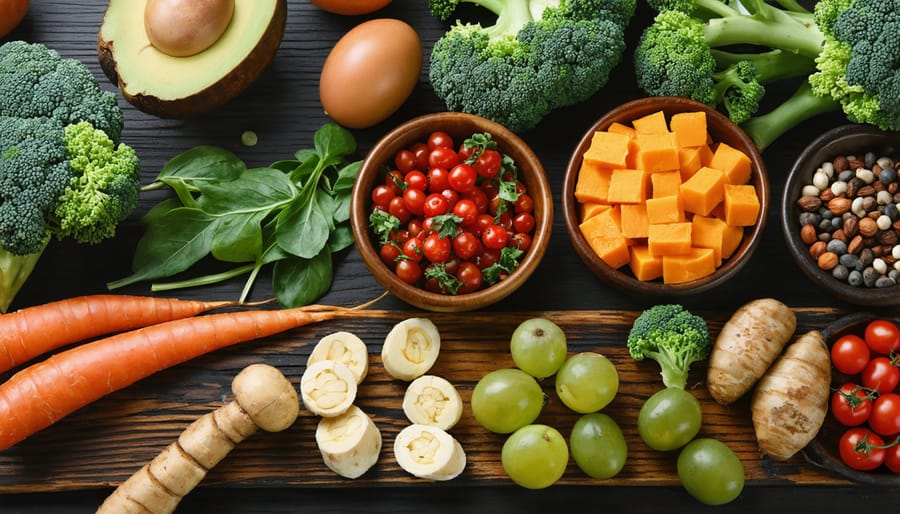
Strategic Shopping: Where to Spend and Where to Save
Making smart choices at the grocery store transforms your budget without sacrificing nutrition. Think of it as strategic investing in your wellbeing—some items deserve premium spending, while others offer excellent value at lower price points.
**Splurge-worthy staples** include organic leafy greens, wild-caught fatty fish like salmon, and quality olive oil. These nutrient-dense powerhouses deliver exceptional health returns and often can’t be meaningfully replicated by cheaper alternatives. Your omega-3s, antioxidants, and healthy fats form the foundation of wellness, making them worth the investment.
**Smart savings** come from choosing frozen vegetables over fresh (often more nutritious due to flash-freezing), opting for dried beans and lentils instead of canned, and buying whole grains in bulk. Store-brand Greek yogurt typically matches name-brand nutrition at half the cost. Seasonal produce always offers better value and flavour—strawberries in June beat imported winter berries in every way.
When exploring healthy eating on a budget through AI loan matching, prioritize purchases that maximize nutritional density per dollar. Generic whole foods like eggs, cabbage, and sweet potatoes deliver outstanding nutrition without premium pricing.
Consider that most “superfoods” have affordable local equivalents—chia seeds versus ground flaxseed, or kale versus collard greens. The key is understanding that nutrition doesn’t always correlate with price tags, allowing you to build genuinely healthy meals within your financial means.
Meal Planning Systems That Reduce Waste and Cost
Smart meal planning transforms how you approach both nutrition and spending. The foundation starts with a **weekly anchor ingredient system**—choose versatile proteins like rotisserie chicken, canned legumes, or ground turkey that work across multiple dishes. This approach naturally reduces waste while keeping costs predictable.
Build your meals around what’s already in season and locally available in Canada. Winter squash, root vegetables, and hearty greens stretch further nutritionally and financially than imported produce. When you spot sales on nutrient-dense staples like quinoa, oats, or frozen berries, stock up strategically—these items have excellent shelf life and provide consistent meal foundations.
The **”cook once, eat twice” framework** maximizes your kitchen time and ingredients. Prepare base components like roasted vegetables, batch-cooked grains, or simple proteins that transform into completely different meals throughout the week. Sunday’s roasted vegetables become Monday’s grain bowl, Wednesday’s frittata filling, and Friday’s soup additions.
Track your actual food waste for two weeks to identify patterns. Most households discard fresh herbs, leafy greens, and dairy products most frequently. Counter this by freezing herb portions in olive oil, buying pre-washed greens only when you have specific meal plans, and choosing longer-lasting Greek yogurt over regular varieties.
Consider integrating wellness-supporting ingredients like **CBD oils** into your regular cooking rotation—a few drops in salad dressings or smoothies can support your overall wellness goals without requiring separate purchases. This integration approach keeps your pantry streamlined while supporting multiple health objectives simultaneously.
Avoiding the Debt Trap: Responsible Borrowing for Food
Questions to Ask Before Borrowing for Your Food Budget
Before exploring AI loan matching for your grocery needs, take a moment for honest reflection. Ask yourself: *Is this a temporary cash flow gap, or a deeper budgetary concern?* Understanding the root cause helps determine if borrowing is truly your best option.
Consider whether you’ve maximized existing resources first. Have you explored community food programs, seasonal produce savings, or bulk-buying cooperatives? Sometimes creative meal planning—like stretching proteins with legumes or incorporating more plant-based meals—can bridge financial gaps without credit.
Evaluate your repayment capacity realistically. Can you comfortably manage loan payments alongside rent, utilities, and other essentials? Remember, borrowing for food should enhance your wellness journey, not create additional stress.
Finally, ask if this financing supports lasting healthy habits or just postpones budget adjustments. The goal is nourishing your body sustainably—both nutritionally and financially. If borrowing enables you to establish better eating patterns while you stabilize your finances, it might make sense. Otherwise, consider starting with smaller, manageable changes to your food budget first.
Red Flags and Better Alternatives
Before considering any loan for healthy eating, watch for these warning signs: interest rates exceeding 20%, pressure to decide immediately, unclear repayment terms, or lenders requesting upfront fees. These red flags often indicate predatory practices that could worsen your financial wellness rather than support it.
Consider exploring gentler alternatives first. Many Canadian communities offer fresh food programs, community gardens, and cooking cooperatives that provide nutritious ingredients at minimal cost. Local farmers’ markets frequently accept payment plans or offer “imperfect produce” at reduced prices. Food banks increasingly stock fresh produce alongside shelf-stable items, and some even provide recipe guidance for budget-friendly meal planning.
If you’re managing dietary needs like CBD integration or specific nutritional requirements, speak with your grocery store about establishing a payment plan directly—many retailers offer flexible options without the complexity of formal loans. Your health journey shouldn’t begin with financial stress. These community-based solutions often provide the support you need while building connections that enhance your overall wellness experience.
Making healthy eating accessible shouldn’t require compromising your financial wellness. While AI loan matching can serve as a helpful tool when you’re facing temporary budget constraints—perhaps to invest in a bulk purchase of nutritious staples or upgrade kitchen equipment—it’s just one piece of a larger puzzle. Think of it as a potential stepping stone, not a permanent solution.
The real magic happens when you combine smart financing decisions with thoughtful meal planning. Before exploring any loan options, take time to assess your complete financial picture and nutritional needs. Can you gradually build your healthy eating habits without borrowing? Could minor budget adjustments free up funds for better groceries?
If you do choose to explore AI loan matching, approach it mindfully. Compare multiple offers, understand all terms completely, and ensure repayment fits comfortably within your budget. Remember, sustainable wellness—both physical and financial—comes from balanced, informed choices.
Your journey toward nourishing meals and financial health deserves careful planning. Consider consulting with both a nutritionist and financial advisor to create a comprehensive strategy that supports your whole-person wellness. After all, true health encompasses what you eat and how you manage your resources.