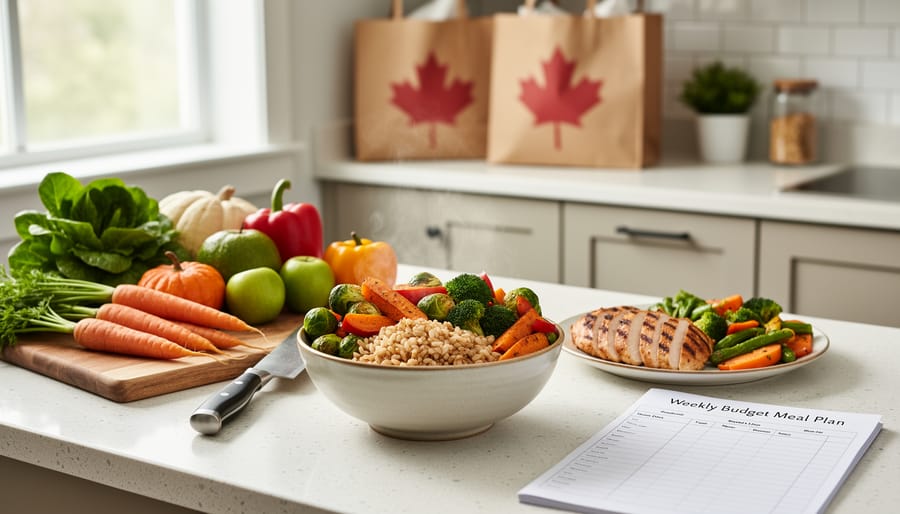
Eating healthy on a budget in 2026 typically costs between $50 and $80 per person per week in Canada, with the lower end achievable through strategic planning and the upper range reflecting organic or specialty wellness foods. Most Canadians can cut their healthy eating costs by 30 to 40 percent simply by choosing whole ingredients over pre-packaged meals and shopping with a structured plan.
The biggest factors driving your costs up or down are whether you cook from scratch, how much seasonal produce you buy, and your willingness to batch-prep meals. A dinner of roasted vegetables, brown rice, and grilled chicken can cost under $4 per serving when made at home, while a comparable prepared meal at a health-focused restaurant runs $14 to $18. That gap explains why meal planning has become essential for anyone serious about both nutrition and their wallet.
Your spending also shifts based on dietary preferences. Plant-based proteins like lentils and chickpeas remain the most economical choice, costing pennies per serving compared to grass-fed beef or wild salmon. CBD-infused wellness products, which some Canadians are integrating into their diets for stress management and recovery, add a variable cost layer depending on dosage and frequency, but can be incorporated affordably when used purposefully rather than as daily staples.
The reality is that healthy eating doesn’t demand premium prices if you understand where your money goes. Fresh produce accounts for roughly 35 to 45 percent of a health-focused grocery bill, proteins make up 25 to 30 percent, and grains and pantry staples fill the remainder. Knowing these proportions lets you make trade-offs that protect both your nutrition goals and your budget. The strategies that follow break down exactly how to shop, plan, and prepare meals that nourish your body without straining your finances.
Weekly Grocery Costs: What to Expect in 2026
A single person eating healthy on a budget in 2026 can expect to spend between $65 and $95 weekly on groceries, or roughly $280 to $410 monthly. Families of four typically see costs ranging from $190 to $310 per week ($820 to $1,340 monthly), though these figures shift considerably based on which dietary approach you follow and how strategically you shop.
Plant-based eating consistently delivers the lowest costs. A vegetarian or vegan shopper can hit the lower end of these ranges by centering meals around dried beans, lentils, rice, seasonal vegetables, and affordable staples like oats and peanut butter. One person might spend just $65 weekly building satisfying meals around chickpea curries, bean tacos, lentil soups, and grain bowls with roasted vegetables.
Balanced omnivore diets, which include moderate amounts of chicken, eggs, and occasional fish, push costs toward the middle of the spectrum. A single person typically spends $75 to $85 weekly when they rotate affordable proteins like whole chickens, canned tuna, and eggs with plant-based meals several times a week. Families find similar savings by treating meat as a component rather than the centerpiece of every dinner.
Meal-prep focused shoppers often achieve the best value regardless of dietary style. Dedicating a few hours on weekends to batch cooking allows you to buy larger quantities at lower per-unit prices. Someone who preps might spend $80 upfront but create twelve to fifteen portions, dropping per-meal costs to around $5.50 compared to $8 or more for those shopping and cooking daily.
| Dietary Approach | Weekly Cost (Single) | Weekly Cost (Family of 4) | Primary Savings Strategy |
|---|---|---|---|
| Plant-Based | $65, $75 | $190, $240 | Bulk dried beans, legumes, seasonal produce |
| Balanced Omnivore | $75, $95 | $240, $310 | Strategic protein rotation, meat as flavoring |
| Meal-Prep Focused | $70, $85 | $210, $270 | Bulk purchasing, batch cooking efficiency |
Your actual spending depends heavily on location, with urban centers running 15 to 25 percent higher than rural areas, and on waste habits. Shoppers who plan meals around what they already own and freeze surplus ingredients consistently spend 20 to 30 percent less than those making frequent small trips without a plan. The difference between the low and high end of these ranges often comes down to shopping discipline rather than food quality.
Where Your Healthy Food Budget Goes
Understanding where your money goes is the first step toward optimizing your healthy eating budget. A typical weekly grocery budget of $70, $90 for one person breaks down into distinct categories, with some demanding far more of your spending than others.
Here’s how a balanced healthy budget typically distributes across food categories:
- Protein sources: 30-35% ($21, $32 weekly), chicken, eggs, legumes, tofu, occasional fish
- Fresh produce: 25-30% ($18, $27 weekly), vegetables, fruits, leafy greens
- Whole grains and starches: 15-20% ($11, $18 weekly), rice, oats, whole wheat bread, potatoes
- Healthy fats: 10-12% ($7, $11 weekly), olive oil, nuts, seeds, avocados
- Pantry staples and seasonings: 8-10% ($6, $9 weekly), spices, vinegar, canned tomatoes, stock
Protein consistently claims the largest share because quality sources like wild-caught salmon or grass-fed beef carry premium prices. However, rotating between affordable options like eggs at $4, $5 per dozen, dried lentils at $2 per pound, and conventional chicken thighs at $3, $4 per pound keeps this category manageable without sacrificing nutrition.
Produce sits second but varies wildly by season. Buying what’s abundant right now, root vegetables in winter, berries in summer, can slash this category by 40% compared to purchasing out-of-season imports. A head of cabbage costs $2 and feeds you for days; imported asparagus in January runs $6 per pound and disappears in two meals.
The smallest categories pack outsized nutritional value. That $8 bottle of olive oil lasts six weeks and delivers heart-healthy fats in every meal. A $4 jar of cumin transforms plain rice and beans into something you’ll actually want to eat, preventing the takeout temptation that derails budgets faster than any grocery purchase.
Strategic shifts within these categories matter more than cutting entire food groups. Swapping half your animal protein for plant-based options or choosing frozen vegetables over fresh when prices spike preserves both nutrition and your weekly budget.
What Influences Your Healthy Eating Costs
Seasonal vs. Year-Round Produce Pricing
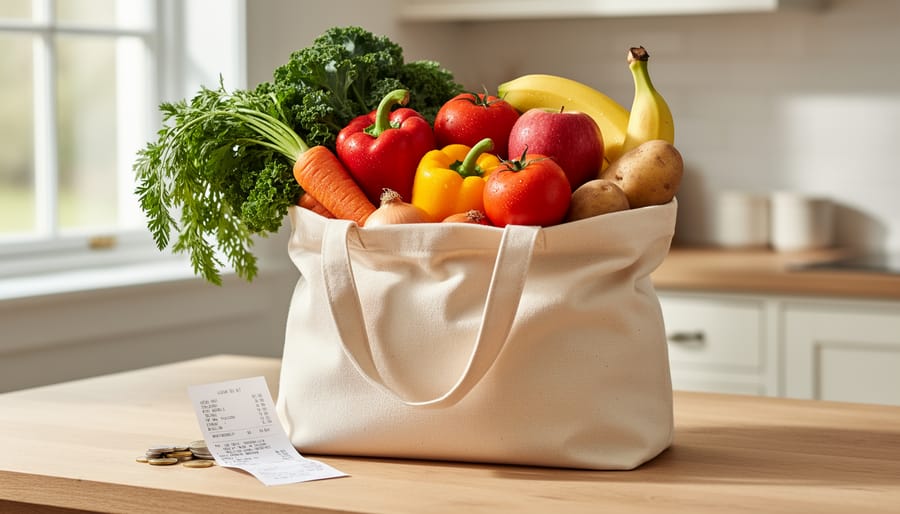
Seasonal produce can slash your costs by 30-50% compared to out-of-season items. In summer, berries might cost $3 per pound locally but $7 in winter when shipped from distant regions. Buy what’s abundant now, squash and root vegetables in fall, citrus in winter, leafy greens in spring, and you’ll pay less while getting fresher, more flavorful food.
Year-round staples offer consistent value. Carrots, cabbage, onions, potatoes, and bananas rarely spike in price because they store well and grow in multiple climates. Frozen vegetables lock in nutrition at harvest and often cost less than fresh. Stock your freezer when sales hit, then use pantry ingredients like canned tomatoes and dried beans as affordable foundations for meals.
Plan your menu around what’s cheap this week rather than clinging to specific recipes. Check flyers, note sale cycles, and embrace flexibility. If bell peppers are $2 each but zucchini is $1 per pound, adjust your stir-fry accordingly.
Protein Source Economics
Protein represents one of the largest chunks of any healthy grocery budget, but the price gap between sources is massive. Dried lentils cost roughly $0.15 per serving of protein, while salmon runs $3.50 or more for the same amount. Eggs land in the middle at about $0.30 per serving, making them the most versatile budget protein.
Chicken thighs cost 40-60% less than breasts and offer more flavour. Canned tuna and sardines deliver omega-3s at a fraction of fresh fish prices. Tofu, black beans, and chickpeas provide complete proteins when paired with grains, costing less than a dollar per meal.
The smartest approach alternates protein types throughout the week. Monday’s lentil curry costs pennies. Wednesday’s eggs give you breakfast flexibility. Friday’s chicken stretches across two dinners. This rotation prevents flavour fatigue while keeping your average protein cost under $1.50 per serving.
Greek yogurt and cottage cheese bridge the gap between plant and animal proteins, offering 15-20 grams per serving at reasonable prices when bought in larger tubs. Buying whole chickens and breaking them down yourself cuts costs by half compared to pre-portioned cuts.
The Organic Premium: When It Matters
Organic produce costs 30-70% more than conventional, but you don’t need to buy everything organic to eat healthily. Focus your organic budget on the “Dirty Dozen”, items like strawberries, spinach, and apples that absorb more pesticides. Conventional choices work perfectly for thick-skinned produce like bananas, avocados, and pineapples, where peels provide natural protection.
For proteins and grains, organic certification matters less for nutrition. Conventional eggs, chicken, and oats deliver the same vitamins and minerals. If you’re choosing between organic junk food and conventional whole foods, pick the latter every time, an organic cookie isn’t healthier than a regular apple. Direct your premium spending where pesticide exposure is highest, and save elsewhere without sacrificing nutrition.
Cooking at Home vs. Buying Prepared Healthy Meals

The True Cost of Cooking From Scratch
Cooking from scratch for a week of healthy meals typically runs $40, $60 for one person in 2026, but that raw ingredient cost tells only part of the story.
Time is your largest hidden expense. A beginner might spend 6-8 hours weekly on meal prep, shopping, chopping, cooking, and cleanup. At even a modest $20/hour opportunity cost, that’s $120, $160 in time. As your skills improve, efficiency doubles: experienced home cooks often complete the same prep in 3-4 hours, cutting that time cost in half.
Kitchen equipment represents a one-time investment that spreads thin over months. Basic essentials, a sharp chef’s knife ($30, $50), cutting board ($15, $25), decent pot and pan ($40, $70 combined), might total $100, $150 upfront. Quality tools last years, making the per-meal cost negligible within a few months of regular use.
The skill learning curve matters financially. Early attempts generate more waste through overcooking, poor portioning, and abandoned experiments. Expect to write off $10, $20 weekly initially as you learn what works. This waste tax disappears as competence builds, most people find their groove within four to six weeks of consistent cooking.
The payoff: once proficient, your all-in cost per healthy meal drops to $3, $5, versus $12, $18 for comparable prepared options.
When Prepared Options Make Financial Sense
Prepared healthy options often cost more per meal upfront, but the math shifts when you factor in your full situation. If you’re single and buying ingredients for scratch cooking, you might spend $40 on groceries that yield four meals, but waste half because you can’t use an entire head of cauliflower or bunch of cilantro before it spoils. A $12 prepared meal that eliminates waste can actually cost less than cooking when spoilage runs 25-40% of your grocery budget.
Time calculations matter too. If meal prep takes three hours weekly and you value your time at $20 per hour, that’s $60 in opportunity cost. A meal delivery service at $70 weekly becomes competitive, especially during high-stress work periods or while learning healthy cooking techniques.
Dining occasionally at health-focused restaurants provides education you can’t buy at the grocery store. Seeing how Cloud 9 balances flavors in their Buddha bowls or uses CBD in dishes teaches preparation methods worth replicating at home. Think of it as a cooking class disguised as dinner.
The sweet spot isn’t all-or-nothing. Use prepared options strategically during your busiest weeks, when trying new cuisines, or for specific meals where your cooking skills don’t yet match your nutrition goals.
Hybrid Approaches for Maximum Value
The most economical approach mixes home cooking foundations with selective convenience purchases. Batch-cook versatile staples on weekends, grilled chicken, roasted vegetables, cooked grains, then supplement with prepared items during busy weekdays. A rotisserie chicken ($8-10) becomes three meals when you cook the sides yourself, cutting per-meal costs by half versus full takeout.
Reserve prepared meals for genuinely hectic periods rather than defaulting to them. One or two meal kit deliveries monthly can introduce new techniques without the $200+ weekly subscription cost. Similarly, occasional restaurant visits offer learning opportunities: order something you’ve never made, note the ingredients and techniques, then recreate it at home for a fraction of the price. This strategic mix maintains variety and reduces decision fatigue while keeping weekly costs within the $50-75 range for one person.
Smart Shopping Strategies That Lower Costs
Cutting your healthy food costs doesn’t require couponing marathons or driving to six different stores. A handful of targeted strategies can trim 30-40% from your grocery bill without sacrificing nutrition or spending hours hunting deals.
Start with the tactics that deliver the biggest savings first, then layer on others as they fit your routine:
- Buy shelf-stable staples in bulk. Rice, oats, dried beans, lentils, nuts, and seeds cost 40-60% less per pound when purchased in larger quantities from bulk bins or warehouse stores. A 25-pound bag of brown rice runs about $20 and eliminates months of smaller purchases at triple the per-serving cost.
- Choose store brands for produce, dairy, and pantry items. Generic yogurt, canned tomatoes, frozen vegetables, and olive oil typically match name-brand quality at 20-35% lower prices. Most store brands source from the same suppliers as premium labels.
- Shop seasonally and freeze surplus. Berries in June, squash in October, and citrus in winter cost half what they do off-season. Buy extra when prices drop, freeze what you can’t use immediately, and you’ll have affordable produce year-round without paying the winter premium.
- Time your shopping for markdown periods. Most stores discount meat, seafood, and prepared foods nearing their sell-by dates in predictable windows, usually early mornings or late evenings. These items are perfectly safe and can be frozen immediately if you’re not using them that day.
- Maximize freezer space strategically. A working freezer prevents waste and captures sale prices. Cooked beans, broth, chopped vegetables, portioned proteins, and batch-cooked grains all freeze well and turn into quick meals when time is tight.
- Use loyalty programs selectively. Sign up for programs at your two most-frequented stores. The personalized discounts on items you actually buy add up, but chasing deals across multiple retailers wastes time and gas money.
Farmers markets deserve mention with realistic expectations. They’re not always cheaper than supermarkets, but they often offer better value on in-season produce and can negotiate end-of-day discounts. Some also accept SNAP benefits with matching programs that double your purchasing power.
For wellness-focused additions like CBD, look for sales or bundle deals rather than premium retail pricing. Cloud 9 occasionally offers promotions that make incorporating CBD into your routine more accessible without straining your grocery budget. These ingredients work best as targeted additions to an already solid nutritional foundation, not as expensive daily staples.
Budget-Friendly Meal Planning Framework
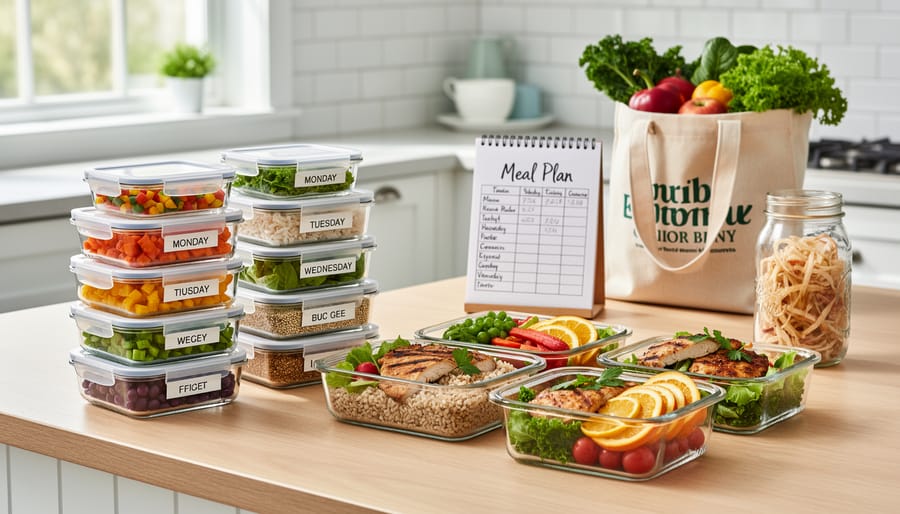
A strong meal plan starts with choosing a protein anchor, two versatile starches, and five to seven produce items that work across multiple dishes. This week, that might mean chicken thighs, rice, sweet potatoes, onions, bell peppers, spinach, carrots, and frozen broccoli. Each ingredient appears in at least three meals, eliminating single-use purchases that inflate costs.
Sunday batch cooking cuts both time and money. Roast a whole chicken or several pounds of thighs, cook a large pot of rice or quinoa, and prep vegetables by washing and chopping. Store components separately in glass containers. Throughout the week, you’ll combine these elements differently: chicken with rice and stir-fried vegetables on Monday, shredded chicken tacos with peppers and onions Tuesday, chicken soup with carrots and broccoli Wednesday. The initial two hours of prep yields five to six dinners plus lunch leftovers.
Template your breakfast and lunch to simplify decisions and reduce waste. Oatmeal with rotating toppings (banana one day, frozen berries the next, a spoonful of peanut butter the third) costs under a dollar per serving. Lunch becomes last night’s dinner portioned into containers, supplemented with a piece of fruit or raw vegetables. This repetition isn’t boring when dinner offers variety.
Plan one “pantry meal” weekly using shelf-stable items like canned beans, pasta, or frozen vegetables. These prevent emergency takeout when fresh ingredients run low. Budget also matters for occasional treats: an easy dessert night using box mix, a 30-minute dirt cake or budget-friendly donuts satisfy cravings without derailing your grocery budget.
Track ingredient costs for your top ten meals. Knowing that your go-to stir-fry costs $2.40 per serving while the sheet-pan chicken costs $3.10 helps you balance the week strategically, keeping average per-meal costs under $3 without sacrificing nutrition.
Eating Healthy on a Budget Cost by Key Factor
Your weekly healthy eating costs shift dramatically based on a few core variables. Household size creates economies of scale: a single person might spend $60-75 weekly, while a family of four typically lands at $180-240, roughly $45-60 per person due to bulk buying and shared staples. Shopping location swings costs by 25-40%; discount grocers and ethnic markets undercut conventional supermarkets significantly, especially for produce and whole grains.
Dietary approach matters too. Plant-based eating runs $50-65 weekly for one person when built around beans, lentils and seasonal vegetables, while a balanced omnivore diet incorporating poultry and eggs sits at $65-85. Adding grass-fed meats or wild fish pushes that to $90-110. Meal prep intensity cuts per-meal costs substantially, batch cooking staples and a batch-friendly dessert drops weekly spending 15-20% compared to cooking from scratch nightly.
Finally, flexibility with brands and organics creates a 30% cost spread. Prioritizing organic only for the “Dirty Dozen” produce while choosing store brands elsewhere, plus strategic occasional meal plan treats keeps nutrition high without premium pricing across every item.
DIY vs Hiring a Pro
The decision between preparing all your own meals and using professional meal services hinges on more than just dollar amounts. Home cooking typically costs $50-75 weekly for a single person eating healthy, requiring 6-8 hours for shopping and meal prep. A meal kit service runs $80-120 weekly but cuts active time to 3-4 hours. Full meal delivery services cost $140-200 weekly yet reduce your time investment to nearly zero.
The financial gap narrows when you factor in learning curves and waste. Beginners often discard 20-30% of ingredients due to spoilage or cooking mistakes, effectively raising DIY costs by $15-25 weekly. Professional services eliminate waste and provide portion control, though you sacrifice recipe flexibility.
Quality depends on execution rather than approach. A skilled home cook using fresh ingredients matches or exceeds most delivery options nutritionally. However, services like specialized healthy meal providers offer consistent macro balancing and introduce variety that requires significant recipe research to replicate at home.
Most budget-conscious eaters find success with a hybrid model: handling 70-80% of meals themselves while strategically using prepared options during high-stress weeks or for learning new cooking techniques.
Common Questions About Healthy Eating Costs
Is healthy eating actually more expensive than buying cheap processed foods? The answer depends on what you compare. A $3 rotisserie chicken yields four meals, while a $5 fast food combo is one. Dried beans at $1.50 per pound provide eight protein-rich servings, while a $4 bag of chips offers empty calories. The upfront cost might look similar, but price per serving and nutritional value tell a different story. When you factor in how much usable food you get and how satisfied you feel after eating, whole foods often cost less per actual meal.
Can I afford healthy eating with dietary restrictions like gluten-free or dairy-free?
Naturally gluten-free whole foods like rice, potatoes, oats, beans, and produce cost the same as conventional items, while specialty packaged products do carry premiums. Focus your budget on naturally compliant foods rather than processed alternatives.
How much can I realistically save by cooking at home versus eating out?
Most people cut food costs by 40-60% when cooking at home, though the exact savings depend on your current habits and what types of restaurants you frequent. A homemade dinner typically costs $3-5 per serving compared to $12-18 for restaurant meals.
Does buying organic blow my budget?
Buying everything organic can double produce costs, but selective organic purchasing for high-pesticide items like berries and leafy greens while choosing conventional for thick-skinned produce keeps the premium around 15-20% of your total grocery bill.
How long before I see real savings from meal planning?
Most people notice reduced grocery bills within two to three weeks as they stop duplicate purchases, waste less food, and make fewer emergency takeout runs. The savings compound over months as you build pantry staples and refine your system.
Family size dramatically affects both total costs and strategies. Single people face higher per-serving costs since bulk buying offers less advantage, but they also waste less. Families benefit from economies of scale with staples like rice and beans, though kid-friendly healthy options sometimes cost more than adult preferences. Couples often hit a sweet spot where bulk buying pays off without significant waste. Regardless of household size, the fundamentals remain the same: plan meals around sales, cook from scratch when time allows, and build meals around affordable protein and seasonal produce.
Eating healthy on a budget isn’t just possible, it’s entirely practical with the right approach. Most individuals can expect to spend $50-70 per week on nutritious groceries in 2026, while families of four typically invest $150-200 weekly when applying strategic shopping and meal planning habits. These figures prove that nourishing your body well doesn’t require a premium income or endless sacrifice.
The key is recognizing that you don’t need to transform everything overnight. Start with one or two strategies that feel manageable: maybe it’s buying seasonal produce this week, or trying bulk grains next month. Each small shift builds momentum and confidence while immediately impacting your grocery bill. Strategic planning beats perfection every time.
At Cloud 9, we’ve built our philosophy around making wellness accessible to everyone, not just those with unlimited budgets. Whether you’re batch-cooking meals at home, exploring affordable plant-based proteins, or occasionally treating yourself to a prepared option that saves time and teaches new flavour combinations, the goal remains the same: sustainable nutrition that fits your real life.
Your budget doesn’t define your health potential. Armed with the cost breakdowns, shopping tactics, and meal planning frameworks in this guide, you have everything needed to eat well without financial stress. The investment you make in nutritious food today pays dividends in energy, wellbeing, and long-term health, returns that no processed convenience meal can match.