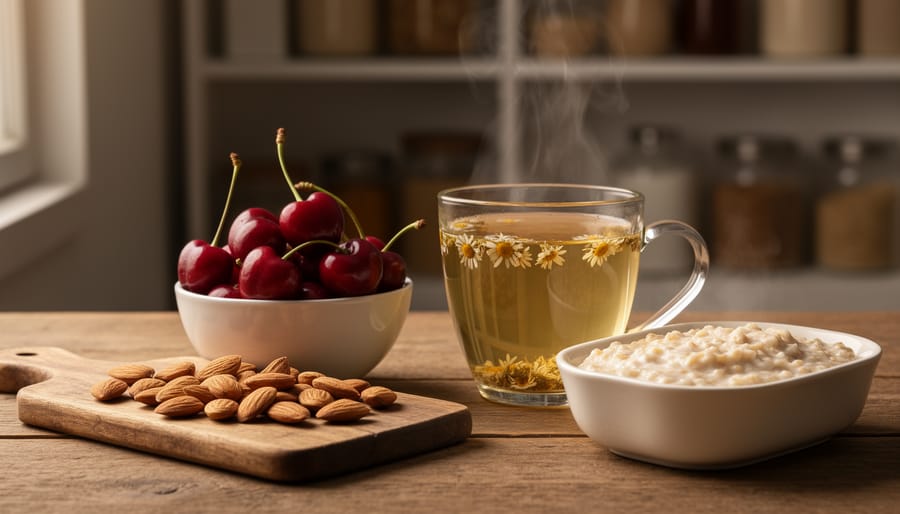
Struggling to fall asleep at night? The solution might be sitting in your kitchen right now. Certain foods contain natural compounds like tryptophan, magnesium, and melatonin that actively promote better sleep by calming your nervous system, regulating sleep hormones, and reducing the time it takes to drift off. Simple additions to your evening routine, such as a handful of almonds, a small bowl of tart cherries, or chamomile tea an hour before bed, can make a measurable difference in both sleep quality and duration.
The science is straightforward. When you eat foods rich in these sleep-supporting nutrients, your body converts them into serotonin and melatonin, the hormones responsible for making you feel sleepy and staying asleep through the night. Timing matters too. Eating the right foods two to three hours before bed gives your body enough time to digest and begin the biochemical process without causing discomfort.
This guide walks you through ten proven foods that help you sleep, explains why they work, and shows you how to incorporate them into affordable, practical meals. You’ll also discover how emerging wellness trends like CBD-infused snacks fit into a sleep-friendly diet, and how to plan budget-conscious evening meals that won’t sacrifice your rest or your wallet.
Why Food Matters for Sleep Quality
Your body runs on a 24-hour internal clock that relies on more than just sunlight and routine. What you eat directly influences the hormones and neurotransmitters that signal when it’s time to wind down and how deeply you rest. The foods that genuinely improve sleep aren’t magic bullets, but they do provide specific compounds your brain and muscles need to transition from alert to relaxed.
Tryptophan is an amino acid your body can’t produce on its own. Once consumed, it converts first into serotonin (which regulates mood and relaxation) and then into melatonin (the hormone that tells your body it’s bedtime). You’ll find tryptophan in turkey, dairy, nuts, and seeds, but here’s the catch: it needs help crossing into your brain. That’s where carbohydrates come in. When you pair a tryptophan-rich food with complex carbs, your body releases insulin, which clears competing amino acids from your bloodstream and gives tryptophan a clear path to your brain.
Magnesium and calcium work as muscle relaxants and nervous system regulators. Magnesium activates neurotransmitters that quiet brain activity, while calcium helps your brain use tryptophan to manufacture melatonin. Low levels of either mineral often show up as restless legs, muscle tension, or difficulty staying asleep through the night.
Timing matters as much as the nutrients themselves. A heavy meal within two hours of bedtime forces your digestive system into overdrive when it should be winding down, which raises core body temperature and disrupts the drop in temperature your body needs to initiate sleep. Light snacks 30 to 60 minutes before bed work best, giving your body just enough fuel without the metabolic burden of digesting a full dinner.
How We Chose These Sleep-Friendly Foods
We didn’t just compile a random list of foods people claim help with sleep. Each option in this article earned its spot through a careful vetting process that considers what actually matters when you’re standing in your kitchen at 9 PM wondering what to eat.
First, scientific backing was non-negotiable. Every food here has research supporting its sleep-promoting properties, whether through specific nutrients like magnesium and tryptophan or clinical studies showing measurable improvements in sleep quality.
Second, we prioritized accessibility in Canada. You won’t find exotic ingredients that require specialty importers or break your grocery budget. These are foods available at most Canadian supermarkets year-round, with seasonal variations noted where relevant.
Nutrient density mattered too. We chose whole foods that deliver multiple sleep-supporting compounds rather than single-nutrient options, giving you more nutritional value per serving.
Finally, versatility sealed the deal. Each food works across different meals, dietary preferences, and preparation styles. Whether you’re vegan, gluten-free, or working with a tight budget, you’ll find practical options that fit your real life, not an idealized meal plan you’ll abandon by Wednesday.
1. Almonds: Magnesium-Rich Sleep Support
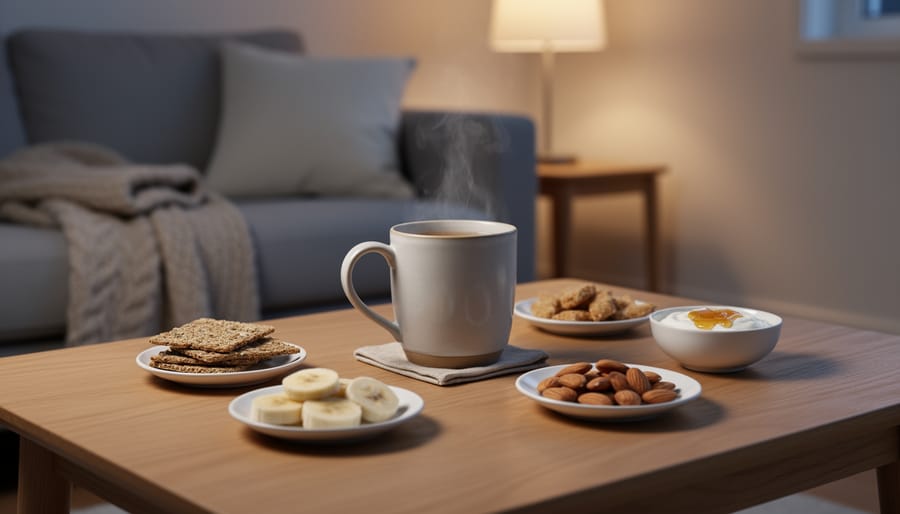
Almonds pack a powerful sleep-promoting punch thanks to their high magnesium content. Just one ounce delivers about 19% of your daily magnesium needs, a mineral that helps regulate neurotransmitters responsible for calming your nervous system. When your magnesium levels are adequate, your body can better manage stress hormones and ease into rest mode.
The healthy fats in almonds also work overtime while you sleep. They help stabilize blood sugar throughout the night, preventing those 3 a.m. wake-ups triggered by glucose crashes. This makes them particularly useful if you tend to feel restless or experience middle-of-the-night hunger pangs.
A small handful (about 23 almonds) makes an ideal evening snack about an hour before bed. If you prefer variety, spread a tablespoon of almond butter on whole grain toast for a satisfying combination of protein, healthy fats, and complex carbs.
Smart shoppers can save significantly by buying almonds in bulk from warehouse stores or during sales, then storing them in airtight containers in the fridge to maintain freshness.
2. Chamomile Tea: The Classic Evening Ritual
Chamomile tea has earned its reputation as a bedtime staple for good reason. This caffeine-free herbal infusion contains apigenin, an antioxidant that binds to specific receptors in your brain, producing a mild sedative effect that helps you unwind naturally. Unlike black or green tea, chamomile won’t interfere with your sleep cycle, it actively supports it.
Brewing a cup 30-45 minutes before bed creates a calming ritual that signals to your body it’s time to wind down. The warm liquid itself promotes relaxation, while the gentle floral aroma adds to the soothing experience. For enhanced relaxation, some Canadians add a few drops of CBD oil to their evening chamomile. The combination of apigenin and CBD may work synergistically to ease both physical tension and racing thoughts.
Chamomile tea bags are widely available and budget-friendly, making this sleep aid accessible for daily use without straining your wallet.
3. Kiwi: The Unexpected Sleep Superfruit
Most people don’t think of kiwi when planning their sleep-friendly diet, but this fuzzy fruit packs a serious punch for better rest. A study published in the Asia Pacific Journal of Clinical Nutrition found that eating two kiwis an hour before bed helped participants fall asleep 35% faster and sleep 13% longer over four weeks.
The secret lies in kiwi’s unique combination of serotonin (which regulates sleep cycles) and concentrated antioxidants that reduce inflammation and calm the nervous system. One medium kiwi delivers more vitamin C than an orange, plus folate and potassium that support relaxation.
In Canada, kiwis are available year-round, with peak season from November through May when New Zealand imports flood the market. You’ll find the best prices at this time, often three for a dollar at major grocers.
Slice two kiwis and eat them plain about an hour before bed, or blend them into a smoothie with banana and oats for a double sleep boost. The entire fruit is edible, including the fuzzy skin, which adds fiber and saves prep time.
4. Fatty Fish: Omega-3s and Vitamin D Combined
Fatty fish like salmon, mackerel, and trout pack a dual nutritional punch for sleep: omega-3 fatty acids and vitamin D working together to regulate serotonin, the neurotransmitter that stabilizes your sleep-wake cycle. Research shows people who eat fatty fish three times per week fall asleep faster and experience deeper rest than those who rarely consume it.
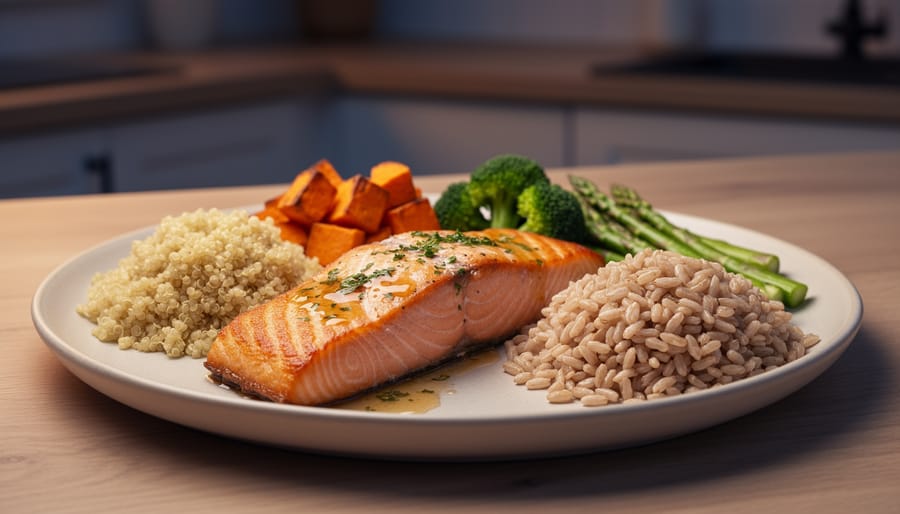
The key is timing. Serve fish at dinner, ideally 3-4 hours before bedtime, allowing your body to process the nutrients when they’re most beneficial. A simple baked salmon fillet with roasted vegetables or pan-seared mackerel over quinoa aligns perfectly with Canada’s Food Guide recommendation for regular fish consumption while keeping prep time under 30 minutes.
Fresh wild-caught salmon can be pricey, but frozen options retain nearly identical nutrient profiles at half the cost. Canned mackerel and sardines offer even more budget-friendly alternatives, delivering the same sleep-supporting benefits in convenient, shelf-stable form. Try mixing canned salmon into whole grain pasta or making fish cakes from frozen fillets for economical weeknight dinners that promote better rest.
5. Tart Cherry Juice: Natural Melatonin Source
Tart cherry juice stands out as one of the few natural food sources of melatonin, the hormone that regulates your sleep-wake cycle. Studies show that drinking tart cherry juice can increase melatonin levels and improve both sleep duration and quality. Beyond sleep support, the anthocyanins in tart cherries provide anti-inflammatory benefits that may reduce muscle soreness and joint discomfort that can disrupt rest.
For best results, pour yourself a small glass (about 240ml or one cup) 30 to 60 minutes before bed. This timing allows the melatonin to enter your system as you wind down. Be mindful of sugar content, though. Even unsweetened varieties contain natural fruit sugars, so stick to the recommended serving rather than treating it like regular juice.
From an economic standpoint, buying tart cherry concentrate offers better value than ready-made juice. You’ll dilute it with water yourself, and a single bottle lasts weeks rather than days. Check the label for “Montmorency” tart cherries, which have the highest melatonin concentration, and look for versions without added sugar or preservatives.
6. Oatmeal: Comforting Complex Carbs
Oatmeal stands out as one of the most versatile and affordable sleep supporters in your kitchen. The complex carbohydrates in oats trigger insulin production, which helps tryptophan reach your brain more effectively to convert into sleep-regulating serotonin and melatonin. Unlike simple carbs that spike blood sugar and potentially disrupt sleep later, oats release energy slowly, keeping blood sugar stable through the night.
A small bowl of plain oatmeal about an hour before bed works surprisingly well as a sleep aid. Steel-cut and rolled oats both deliver these benefits, though instant varieties work in a pinch. For maximum sleep support, top your evening oatmeal with sliced banana (potassium and magnesium) and a handful of almonds (additional magnesium). A drizzle of honey adds natural sweetness without excessive sugar.
The budget advantage? A canister of oats costs just a few dollars and provides dozens of servings. Prepare it with water or milk, warm or overnight-style, making it adaptable to any preference or season.
7. Turkey: The Tryptophan Classic
Turkey’s reputation as a sleep aid comes from tryptophan, an amino acid your body converts into serotonin and then melatonin. Here’s the catch: turkey alone won’t knock you out. Tryptophan needs carbohydrates to cross the blood-brain barrier effectively, which is why the classic turkey sandwich actually makes sense for sleep.
Think beyond holiday dinners. A small portion of roasted turkey breast (3-4 ounces) paired with whole grain crackers or a slice of toast makes an ideal evening snack. You could also add turkey to a light salad with quinoa, or roll slices with avocado in a whole wheat wrap.
Timing matters more than quantity. Eat your turkey-based meal 2-3 hours before bed, not right as you’re climbing under the covers. A heavy, late-night protein feast will keep your digestive system working overtime, defeating the purpose entirely. The goal is gentle support, not Thanksgiving-level fullness, save the easy pudding dessertquick dirt cake and peanut butter jelly donuts for daytime treats when you need the energy boost instead.
8. Bananas: Potassium and Magnesium Combo
Bananas pack a powerful one-two punch for sleep: potassium and magnesium. Both minerals help relax tense muscles after a long day, while the fruit’s natural sugars trigger a slight insulin response that allows tryptophan to reach your brain more easily. That tryptophan then converts to serotonin and melatonin, the hormones that regulate your sleep-wake cycle. A medium banana contains about 32 mg of magnesium and 422 mg of potassium, making it a convenient pre-bed snack that doesn’t require preparation.
What makes bananas especially practical? They’re available year-round in Canadian grocery stores for roughly $1.50 per pound, fitting perfectly into eating healthy on a budget strategies. Try slicing one over your evening oatmeal, blending it into a quick smoothie with chamomile tea, or spreading almond butter on banana rounds for a satisfying combo that hits multiple sleep-supporting nutrients at once.
9. Whole Grain Crackers with Cheese: The Balanced Snack
Whole grain crackers paired with a small serving of cheese create an ideal pre-bed snack that tackles sleep from multiple angles. The crackers supply complex carbohydrates that help your brain produce serotonin and melatonin, while cheese delivers calcium and tryptophan, both essential for sleep regulation. This combination stabilizes blood sugar through the night without the crash that comes from sugary snacks.
Stick to 3-4 whole grain crackers with a thin slice of aged cheddar or Swiss cheese about an hour before bed. The protein and complex carbs work together to keep you satisfied without feeling heavy.
From an economic perspective, these are pantry staples you likely already have on hand, which means fewer impulsive late-night food delivery orders when hunger strikes. Buying crackers and blocks of cheese in larger quantities reduces sleep-friendly food costs per serving compared to pre-packaged snack packs or convenience items. A box of quality whole grain crackers and a block of cheese can provide a week’s worth of bedtime snacks for less than two takeout orders.
10. Herbal Sleep-Supporting Foods: Passionflower, Valerian, Lavender
Beyond the nine solid-food options covered, several herbal ingredients deserve attention for their sleep-supporting properties. Passionflower, valerian root, and lavender have centuries of traditional use backed by modern research showing they can reduce anxiety and promote relaxation.
You’ll find these herbs most commonly as teas in Canadian health food stores, grocery wellness aisles, and online retailers. Passionflower tea offers gentle calming effects without drowsiness, making it ideal for evening unwinding. Valerian root has stronger sedative properties but carries a distinct earthy taste that some find off-putting. Culinary lavender, meanwhile, can be infused into warm milk or honey for a soothing pre-bed ritual.
These herbs work synergistically with the magnesium-rich and tryptophan-containing foods already discussed. For enhanced relaxation, consider pairing your herbal tea with a few drops of CBD tincture, which may amplify the calming effects through complementary pathways in the nervous system.
Start with single-herb teas to gauge your response before trying blends. Most health food chains carry organic options year-round at reasonable prices, typically ranging from eight to fifteen dollars per box.
Timing Your Sleep-Friendly Meals
When you eat matters almost as much as what you eat. Your body needs time to digest and metabolize food before sleep, and eating too close to bedtime can raise your core temperature, trigger acid reflux, or keep your digestive system active when it should be winding down.
For substantial meals that include sleep-supporting foods like fatty fish, turkey, or oatmeal, aim to finish eating three to four hours before you plan to sleep. This window gives your body enough time to process the meal while still benefiting from the nutrients that promote relaxation and melatonin production. A balanced dinner at 6 p.m. positions you perfectly for a 10 p.m. bedtime.
Light snacks work on a shorter timeline. A small handful of almonds, a banana with almond butter, or a few whole grain crackers with cheese can be eaten 30 to 60 minutes before bed without disrupting sleep. These options provide just enough tryptophan and complex carbs to support melatonin production without overloading your digestive system.
Steer clear of heavy, fatty meals in the two hours before bed, as they take longer to digest and can cause discomfort. Spicy foods may trigger heartburn when you lie down, and high-sugar snacks create blood sugar spikes followed by crashes that can wake you in the middle of the night. Skip caffeine after 2 p.m., and limit alcohol, which may make you drowsy initially but disrupts sleep cycles later.
Budget-Friendly Sleep Meal Planning
Building a sleep-supportive diet doesn’t require specialty stores or premium prices. Most of the foods we’ve covered are accessible staples you likely already buy, the key is strategic shopping and simple preparation that stretches your dollar while supporting better rest.
Start with versatile, shelf-stable foundations. Oats, almonds, whole grain crackers, and dried tart cherries keep for weeks and work across multiple meals. A 1kg bag of oats costs less than fancy sleep supplements and provides dozens of servings. Similarly, buying almonds in bulk from warehouse stores cuts the per-serving cost dramatically compared to single-serving packages.
Smart shopping habits make these sleep foods even more budget-friendly:
- Buy bananas when they’re on sale and freeze overripe ones for smoothies or oatmeal toppings
- Choose frozen fatty fish like salmon, which costs less than fresh and retains the same omega-3 benefits
- Purchase chamomile tea in bulk tea bags rather than individual sachets
- Stock canned tuna or mackerel as economical alternatives to fresh fish
- Buy cheese blocks and slice them yourself instead of pre-packaged cheese portions
- Shop for seasonal kiwis when prices drop, typically in late fall and winter
Batch preparation saves both money and late-night decision-making. Spend 20 minutes on Sunday portioning almonds into small containers, preparing overnight oats for the week, or mixing whole grain crackers with cheese cubes in grab-and-go portions. This prevents expensive convenience purchases when you’re tired and hungry at 9 PM.
A weekly plan might include oatmeal with banana three mornings, salmon twice for dinner, chamomile tea nightly, and rotating evening snacks of almonds, cheese with crackers, or tart cherry juice. This variety costs roughly the same as your regular grocery bill while actively supporting sleep quality, a wellness investment that pays dividends in energy and health.
Common Questions About Sleep and Food
Can I eat right before bed?
Light snacks containing sleep-supporting nutrients work best 30-60 minutes before bed. Heavy meals within two hours of sleep can cause discomfort and disrupt rest, so stick to small portions like a handful of almonds or a banana with nut butter.
Do sleep foods work for everyone?
Individual responses vary based on metabolism, existing sleep issues, and overall diet quality. Most people notice subtle improvements within a week or two of consistent changes, but chronic insomnia typically requires additional strategies beyond food choices.
Can I combine multiple sleep foods in one evening?
Absolutely. A snack pairing oatmeal with sliced banana and almonds, for example, delivers complementary nutrients without overloading your system. Just watch total portion sizes to avoid feeling too full.
Are supplements better than whole foods for sleep?
Whole foods offer fiber, antioxidants, and nutrient synergies that isolated supplements can’t match. They’re also gentler on your system and support overall wellness, not just sleep.
What if I have dietary restrictions?
The variety in this list accommodates most needs. Vegans can focus on almonds, oats, bananas, and herbal teas, while those avoiding dairy still have eight other options. Choose what fits your eating pattern rather than forcing foods that don’t work for your body.
Remember that sleep improvement happens gradually. You won’t transform into a perfect sleeper overnight, but consistent choices add up. If you’re not seeing any change after three weeks of eating sleep-friendly foods at appropriate times, consider other factors like screen time, room temperature, or stress levels that might need attention alongside your diet.
Better sleep doesn’t require a complete dietary overhaul or expensive supplements. The ten foods we’ve explored are practical, accessible options that fit naturally into your everyday meals and snacks. Start small: choose two or three that appeal to you and see how your body responds over the next few weeks.
Maybe it’s a handful of almonds with your evening tea, or a small bowl of oatmeal topped with banana before bed. Perhaps you’ll discover that tart cherry juice becomes your new bedtime ritual. The key is consistency and paying attention to what works for your unique sleep patterns.
At Cloud 9, we believe wellness happens through small, sustainable changes rather than dramatic transformations. Foods for better sleep are just one piece of the puzzle, working alongside stress management, movement, and mindful routines to support your overall health. Your journey to better rest starts tonight, with choices that are already in your kitchen or readily available at your local grocery store.
Sleep well, and enjoy the process of discovering what nourishes both your body and your rest.