
Applying the mindful consumption principles of Canada’s Food Guide to online casino play creates a practical framework for balanced entertainment in 2026. Just as the guide teaches us to be aware of portion sizes, hunger cues, and nutritional value, the same discipline translates directly to gambling decisions: set clear limits, recognize emotional triggers, and measure the true cost of each session. When you claim bonus offers or explore casino platforms, the connection becomes clear. Both food choices and gaming require honest self-assessment, regular check-ins, and a willingness to pause when patterns turn unhealthy.
The parallel runs deeper than it first appears. Canada’s wellness culture has long championed the idea that thriving means balancing enjoyment with accountability, whether you’re budgeting grocery dollars or entertainment funds. The Food Guide doesn’t demand perfection or total restriction; it asks for awareness and consistency. Responsible gambling follows the same philosophy. You’re not eliminating risk or fun, you’re building a sustainable relationship with an activity that can veer into harm when left unchecked.
This guide walks you through the tools, warning signs, and step-by-step planning methods that mirror nutritional wellness. You’ll learn to audit your casino habits the way you’d track a week of meals, spot red flags before they escalate, and verify that your approach stays aligned with your financial and emotional health. Think of it as meal prep for your entertainment budget: intentional, informed, and entirely within your control.
Understanding the Parallel: Food Guide Principles and Gambling Wellness
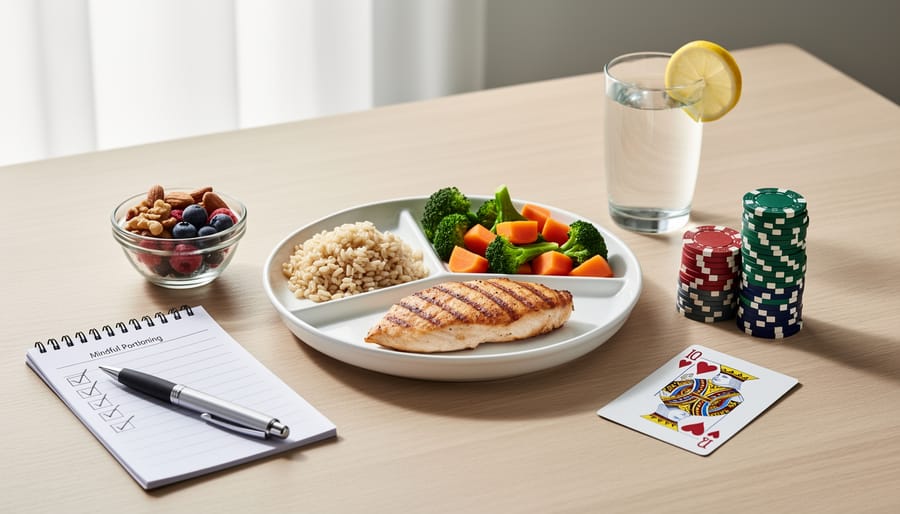
Canada’s Food Guide asks you to be mindful of your eating pay attention to portion sizes, and build meals around whole foods rather than processed snacks. These aren’t just rules about nutrition, they’re a philosophy about how we make choices that affect our wellbeing. The same mindset applies surprisingly well to online casino entertainment.
Think about portion control. With food, you learn to recognize when you’ve had enough, to plate reasonable servings instead of eating directly from the bag, and to stop before you’re uncomfortably full. Gambling wellness works the same way: you set a budget before you start, stick to predetermined limits, and walk away when you’ve reached them, whether you’re winning or losing. Both practices require deciding your boundaries in advance, not in the heat of the moment when willpower is weakest.
Balance is another shared principle. The Food Guide encourages variety and regular eating patterns that support your daily life, not chaotic binges followed by restriction. Responsible casino play follows the same rhythm: it’s occasional entertainment that fits into your schedule without displacing sleep, exercise, social time, or proper meals. If you find yourself skipping dinner to keep playing, or staying up past your usual bedtime chasing losses, you’ve lost the balance just as surely as someone who skips meals to diet and then binges at midnight.
Mindfulness ties it all together. Healthy eating means noticing hunger and fullness cues, recognizing emotional eating triggers, and making conscious food choices rather than autopilot snacking. Responsible gambling means staying aware of your mood, your motivations for playing, and how the experience makes you feel. Both require honest self-assessment and the willingness to pause and check in with yourself regularly.
What You Need Before Starting: Tools and Resources for Responsible Play
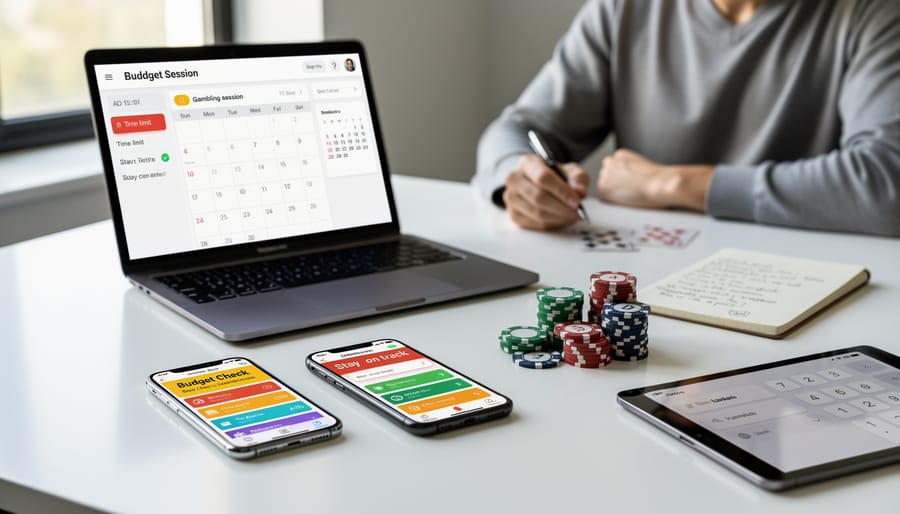
Before you start any online casino activity, you need the right toolkit, just as you’d stock your kitchen with measuring cups and meal prep containers before committing to the Canadian Food Guide. These resources create guardrails that keep entertainment healthy and prevent it from interfering with your wellness goals.
Start by assembling your responsible gaming toolkit. Most Canadian online casinos offer built-in limit-setting features, but third-party tools often provide better tracking and accountability. Consider these essential resources:
- Budget tracking apps like Mint or YNAB that categorize entertainment spending alongside groceries and wellness expenses
- Time limit reminders such as Forest or Screen Time that alert you when you’ve reached your designated play window
- Self-exclusion programs through provincial gambling authorities that temporarily block access across multiple platforms
- Canadian gambling support services including ConnexOntario (1-866-531-2600) and the national Problem Gambling Helpline
- Meal planning apps like Mealime that demonstrate healthy routine building and time management you can apply to entertainment
Beyond digital tools, you’ll want access to self-assessment questionnaires. The Canadian Problem Gambling Index (CPGI) provides a quick, evidence-based evaluation of your gambling habits, think of it as a nutritional assessment for your entertainment choices. Many provincial health services offer these screenings free and confidentially online.
Keep a simple journal or spreadsheet too. Track not just money and time spent, but your emotional state before and after playing. This mirrors food journaling’s effectiveness: when you record patterns, you spot problems early. Note if you’re playing when stressed, tired, or hungry, conditions that compromise decision-making in both gambling and eating. Having these resources ready before your first session creates the same foundation for success that meal prepping provides for nutritional goals.
Recognizing Warning Signs: When to Stop
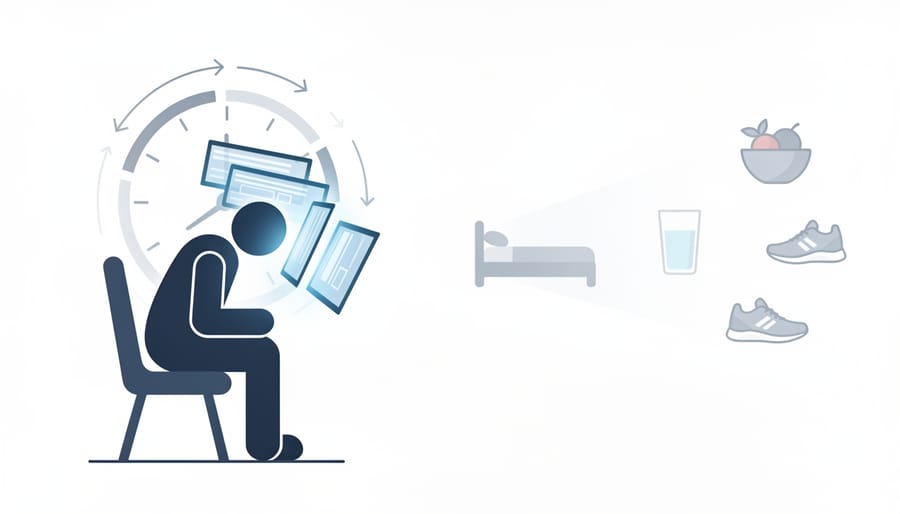
Just as skipping meals or binge eating signals that your relationship with food needs attention, certain behaviors reveal when online casino play has crossed from entertainment into unhealthy territory. The Canadian Food Guide teaches us to recognize when eating patterns become disordered, and the same awareness applies to gambling habits.
Watch for financial red flags first. If you’re consistently spending more than you planned, dipping into funds meant for groceries or bills, or finding yourself unable to eat healthy on a budget because gambling has consumed your discretionary income, you’ve moved beyond responsible play. Sacrificing healthy food costs to fund continued gambling mirrors the dangerous tradeoffs people make when addictive behaviors take priority over basic needs.
Behavioral changes often appear before financial crisis hits. Are you thinking about gambling during work, cutting short social activities to play online, or lying about how much time you spend on casino sites? These patterns echo how emotional eating or obsessive calorie counting disrupts normal life. Physical symptoms matter too: if gambling sessions are keeping you up late and disrupting your access to foods for better sleep or if you’re skipping regular meals because you’re absorbed in play, your wellness routine has been compromised.
Emotional indicators can be subtle. Feeling irritable when you can’t gamble, experiencing shame about your play, or needing to bet larger amounts for the same excitement all signal developing problems that require honest self-assessment and possibly professional help.
Step-by-Step: Creating Your Responsible Gaming Plan
Setting Your Limits: Budget and Time Boundaries
Start by treating your gambling budget exactly like you would a discretionary food expense, allocate only what won’t disrupt essential needs. Financial experts recommend the 50/30/20 budgeting rule: after covering necessities (50%) and savings (20%), entertainment falls within the remaining 30%. Within that category, decide what percentage feels comfortable for online casino play. For most Canadians, that’s $20-$50 monthly, similar to a few restaurant meals.
Set this limit in your casino account before you play. Most licensed Canadian platforms offer deposit caps, daily, weekly, or monthly. Choose a timeframe that matches your paycheck cycle. If you’re paid bi-weekly, a two-week limit prevents overspending between paychecks.
Time boundaries matter equally. Schedule casino sessions like you’d plan meal prep: specific blocks that don’t interfere with breakfast routines, gym time, or proper sleep. Two 30-minute sessions weekly fits most wellness schedules without disruption. Use your phone’s built-in screen time controls or casino app timers to enforce these windows.
Write down both limits. Stick them where you see daily reminders, beside your meal plan on the fridge, or as a phone wallpaper. Review monthly alongside your grocery spending to ensure entertainment stays proportional to other lifestyle investments.
Maintaining Balance: Integrating Wellness Routines
Protecting your wellness routine while enjoying online casino entertainment requires intentional scheduling. Set gambling sessions only after you’ve completed your planned meals, never during mealtimes or as a replacement for preparing nutritious food. Think of it like dessert, it comes after the main course, not instead of it.
Schedule casino play around your exercise, not the reverse. If you typically work out at 7 PM, don’t start a gaming session at 6:30. Many players find morning or lunchtime sessions work best, leaving evenings free for cooking balanced meals and physical activity.
Sleep protection matters most. Set a firm cutoff time at least two hours before bed, giving your mind time to wind down. The stimulation from gameplay can disrupt sleep quality just as late-night snacking affects metabolism.
For stress management during breaks, consider CBD oils or teas that promote relaxation without impairing judgment. A 10-15 mg CBD dose between sessions can help maintain calm without affecting your decision-making. Keep healthy snacks like nuts, fruit, or vegetable sticks nearby rather than processed foods that spike energy then crash it, potentially extending sessions beyond your limits.
Building Accountability Systems
Just as meal prepping succeeds when you tell a friend about your weekly goals, responsible gaming thrives with external checkpoints. Set up a trusted accountability partner, someone who knows your limits and checks in regularly, much like a workout buddy who keeps you on track.
Create visible reminders. Place sticky notes near your computer or set phone alerts that prompt you to review your budget before logging in. Think of these as the equivalent of keeping healthy snacks visible and junk food out of sight.
Use casino self-exclusion features and deposit limit tools that require deliberate action to change. Many Canadian sites offer cooling-off periods where adjustments take 24-72 hours to activate, preventing impulsive decisions.
Track your activity in a simple journal or spreadsheet. Record session lengths, amounts spent, and your emotional state afterward. This mirrors food diaries that reveal eating patterns you might miss otherwise.
Join a community forum focused on responsible gaming or share your progress with family members monthly. The act of reporting creates natural accountability, transforming private entertainment into a transparent wellness practice you can evaluate honestly.
Common Questions About Responsible Gaming and Wellness
Understanding how responsible gaming fits into a wellness-focused lifestyle raises practical questions, especially for Canadians navigating both health goals and entertainment choices. Here are answers to the most common concerns about maintaining balance.
How much time spent at online casinos is considered responsible?
Responsible play typically means limiting sessions to one or two hours per week, ensuring gambling never interferes with meals, sleep, exercise, or social commitments. If you find yourself skipping planned activities or delaying meal times to continue playing, you’ve crossed into unhealthy territory.
Can I maintain a healthy diet while enjoying online casino games?
Absolutely, as long as you schedule gaming sessions around your regular meal times rather than the reverse. Treat online casino entertainment like any other leisure activity, it should complement your wellness routine, not disrupt it.
What Canadian-specific resources support responsible gambling?
The AGCO regulates online gambling in Ontario and provides player protection resources, while ConnexOntario offers free, confidential support services. Most provinces have similar regulatory bodies and helplines dedicated to responsible gaming education.
How does stress affect both eating habits and gambling behavior?
Stress triggers similar patterns in both areas: emotional eating and impulsive gambling both spike when you’re anxious or overwhelmed. Managing stress through regular exercise, adequate sleep, and CBD-infused wellness routines helps maintain control in both nutrition and entertainment choices.
The connection between stress management and responsible habits cannot be overstated. When you’re tired, hungry, or emotionally drained, decision-making weakens in every area. This is why maintaining consistent meal times, staying hydrated, and getting enough rest directly supports responsible gaming practices. Your brain needs proper fuel and recovery to exercise the self-control and judgment that both healthy eating and entertainment boundaries require.
If you notice patterns like gambling when you’re hungry, skipping meals to keep playing, or turning to online casinos as a primary stress relief tool, these are clear signals that balance has shifted. The same awareness that helps you recognize mindless snacking or emotional eating applies here, pause, assess whether you’re acting from a place of wellness or avoidance, and adjust accordingly.
Verification and Next Steps: Measuring Your Success
Tracking whether your responsible gaming plan is working requires regular check-ins, just like monitoring your nutritional progress. Start with a monthly review where you examine three core metrics: your actual spending against your budget, time invested compared to your limits, and how gambling fits into your broader wellness routine.
Keep a simple log, digital or paper, that records each gaming session’s duration, amount spent, and your emotional state before and after. If you notice patterns like playing when stressed, exceeding limits more than once monthly, or skipping meals or exercise to gamble, your current boundaries need tightening. Positive indicators include consistently staying within limits, maintaining your regular wellness activities, and viewing gambling purely as occasional entertainment rather than a stress outlet or income source.
Run quarterly self-assessments using tools from organizations like the Canadian Centre on Substance Use and Addiction or provincial problem gambling services. These screenings help identify subtle shifts in behavior before they become problematic. Compare your current habits to your initial goals: Are you still eating balanced meals? Sleeping well? Meeting financial obligations comfortably?
When adjustments are needed, don’t view them as failure. Tightening a budget from $100 to $50 monthly or reducing play frequency shows self-awareness and strength. Think of it like recalibrating portion sizes when your nutritional needs change.
For ongoing support, bookmark resources like ConnexOntario (1-866-531-2600) or your provincial gambling helpline. Many offer free counseling and practical tools for maintaining balance. Schedule your next review date now, accountability turns intentions into lasting habits. If someone close expresses concern about your gambling, take it seriously and seek professional guidance immediately, just as you would with worrying health symptoms.
The principles you’ve learned through Canada’s Food Guide, mindful choices, portion control, balance, and listening to your body, extend far beyond your plate. These same habits create a solid foundation for responsible online casino play and every other aspect of your wellness journey.
When you approach entertainment with the same intentionality you bring to meal planning, you’re building a lifestyle rooted in self-awareness rather than impulse. Just as you wouldn’t skip meals or binge eat regularly, responsible gaming means setting boundaries that honour your financial health, time, and emotional well-being.
Remember that true wellness isn’t about perfection in any single area. It’s about creating sustainable habits across your entire life, from the foods you choose and the movement you incorporate, to how you manage stress and enjoy leisure activities. The Canadian approach to health recognizes this interconnectedness.
If you’ve implemented even one strategy from this guide, whether it’s setting a weekly budget, scheduling gambling sessions like you schedule meals, or recognizing your warning signs, you’re already practicing the balance that supports long-term health. Stay curious about your patterns, check in with yourself regularly, and adjust your approach when needed. Your wellness deserves that same thoughtful attention in every choice you make.