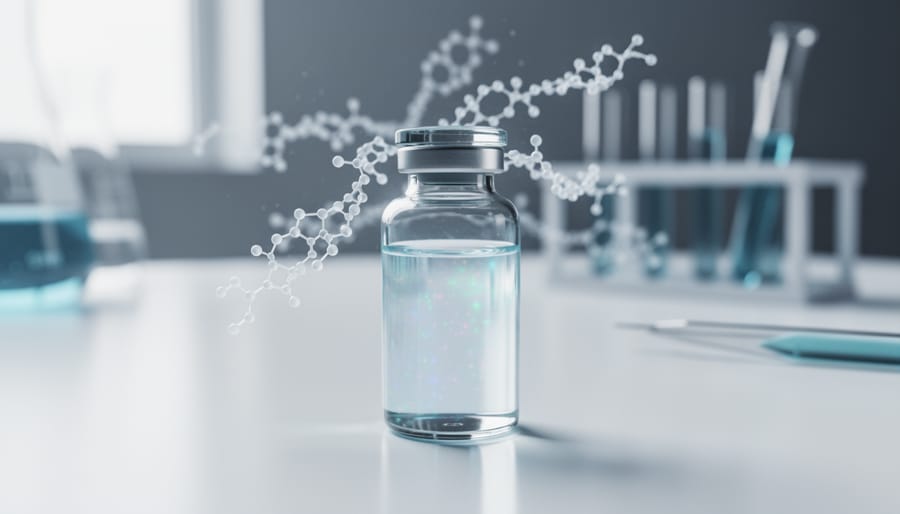
BPC-157 is a synthetic peptide, a short chain of 15 amino acids modelled on a protein fragment found in human gastric juice. Researchers studying BPC-157 peptide vials have worked almost entirely in animals, mostly rats and mice, which is why you’ll see the phrase “preclinical” attached to nearly every paper. That word matters. It means the findings come from lab settings, not from controlled trials in people.
So why does a compound studied in rodents keep turning up in wellness conversations? Mostly because the published animal work touches areas many of us care about: gut lining, muscle, tendon, and general tissue repair. If you’ve ever compared a research-grade listing to a social media claim and wondered how the two connect, this article is meant to close that gap.
Think of it the way you’d read a recipe test done in a professional kitchen. It tells you something real about how the ingredients behave, but it doesn’t promise the same result in your home pantry on a Tuesday night. We’ll cover what BPC-157 is, how it’s thought to work, which areas researchers have looked at, and how to read the findings with a calm, critical eye. No dosing, no sourcing advice, no health promises. Just a clear, neutral picture, so you can decide whether it’s worth reading further.
What BPC-157 Means in Plain Language
Why Animal Studies Come First
Before a compound ever reaches a person, researchers want to know a few basic things: does it do anything measurable, and does it cause obvious harm? Animal studies are where that first look usually happens. A rodent injury model lets scientists control the conditions, track healing over days or weeks, and examine tissue directly, which simply isn’t possible in people at this early stage.
That’s valuable, but it has limits. A mouse or rat isn’t a small human. Their metabolism, immune response, and tissue repair can differ in ways that matter, so a promising result in rodents often fades or changes once it’s tested in people. Animal work can suggest a direction worth exploring. It can’t confirm that something is safe or effective for you.
Here’s a short glossary to keep the terms straight:
- Peptide
- A short chain of amino acids linked together. BPC-157 is a peptide, though a lab-made one rather than something you’d find in food.
- Amino acid
- The small building blocks that make up proteins. You get them from everyday foods like eggs, fish, and legumes.
- Preclinical research
- Laboratory and animal studies done before any testing in people. It helps decide whether a compound deserves further study.
- Rodent model
- A study design using mice or rats, often with a deliberately created injury, to observe how a compound behaves in a living body.
- In vitro vs. in vivo
- In vitro means tested in cells in a dish; in vivo means tested in a living organism, such as a rat.
- Human clinical trial
- A structured study in people that checks safety and effectiveness, usually in carefully monitored phases.
Keep that last term in mind. Clinical trials are the step that tells us what actually happens in humans, and for BPC-157 that evidence is still very thin.
How Researchers Think BPC-157 Works in the Body
When people ask how BPC-157 might work, the honest answer is that researchers have proposed several ideas, and none of them is fully settled. Most of what we know comes from cell cultures and rodent experiments, so think of these as working theories rather than confirmed facts.
One idea centres on blood vessels. Some studies suggest BPC-157 may influence the growth of new small vessels, a process called angiogenesis. Since healing tissue needs a good blood supply to receive oxygen and nutrients, researchers have explored whether this could help explain the faster recovery sometimes seen in injured animals.
A second theme involves growth-factor pathways. Growth factors are the body’s chemical messengers that tell cells when to multiply, migrate, or repair damage. Lab work has reported that BPC-157 may interact with some of these signalling routes, including ones tied to vascular growth and tissue remodelling. Researchers have also looked at a molecule called nitric oxide, which helps blood vessels relax and widen. How these pieces connect is still being worked out.
A third area is inflammation. In rodent models of injury, some groups have reported changes in inflammatory activity alongside improved tissue organization. Inflammation is a normal and necessary part of healing, so the question isn’t simply whether it goes up or down, but whether the timing and balance shift. That detail is not well understood.
It’s worth remembering that many of these mechanism reports come from a small number of research groups, and independent confirmation has been limited. So when you see a confident explanation online, it’s fair to ask whether it reflects settled science or an interesting early lead.
What Animal Studies Have Reported: Areas Researchers Have Explored
Tendon, Ligament, and Muscle Healing Models
In rodent studies, tendon and ligament injuries are among the most frequently reported BPC-157 models. Researchers typically create a controlled injury, such as transecting the Achilles tendon or damaging the medial collateral ligament in rats, then compare treated animals with untreated controls over several days or weeks.
What gets measured varies by study. Some groups track functional recovery, like how well the animal can walk or use the affected limb. Others look at tissue directly under a microscope, checking whether collagen fibres are lining up in an organized way and whether new blood vessels and tendon cells are present. A few studies also test strength, asking how much force the repaired tissue can handle before it gives way.
Muscle research follows a similar pattern. Rat models involving crush injuries or detached muscle have reported faster apparent recovery in treated groups, assessed through tissue samples and movement testing.
The limits matter here. Most of these reports come from a small number of research groups, sample sizes are modest, and the injuries are tightly controlled in ways real-life strains and sprains are not. These are interesting signals, not proof of how anything would work in people.
Gut and Digestive Tract Research
Since BPC-157 was modeled on a protein found in gastric juice, it makes sense that some of the earliest animal work looked at the digestive tract. In rodent studies, researchers have induced injuries to the stomach and intestinal lining, then observed whether giving the peptide changed how the damage looked afterward. Several reports describe less visible lesion damage and signs of faster tissue recovery in these models, and some also explored inflammation-related gut conditions in rats.
A few things are worth keeping in mind. The injuries in these experiments were deliberately triggered by researchers, often with irritants or surgical methods, which is quite different from the everyday digestive complaints most of us deal with. Much of this work also comes from a small number of research groups, so independent confirmation is still limited.
For readers who care about gut health, the takeaway isn’t that a peptide can fix digestion. It’s simply that the gut lining is a fascinating area of research. In daily life, fibre-rich whole foods, fermented options, and steady hydration remain the accessible way to support digestion.
Other Areas: Blood Vessels, Nerves, and Bone
Beyond tendons and the gut, researchers have looked at a few other tissues, but this work is earlier-stage and has been repeated less often. Most of it comes from a small number of labs, so it’s best read as a set of interesting leads rather than settled findings.
- Blood vessels (rats): reports describe changes in how vessels formed or recovered after injury or restricted blood flow.
- Peripheral nerves (rats): some studies describe nerve injury models in which function appeared to recover differently in treated animals.
- Bone (rabbits and rats): a few reports looked at fracture or bone-defect healing, noting differences in tissue repair.
These are observations in animals under controlled lab conditions, and they don’t tell us how a person’s body would respond. Different studies also used different injury models and measurements, which makes them hard to compare side by side. That’s why independent replication matters so much here, and why these areas remain a question mark rather than an answer.
Reading the Research with a Careful Eye
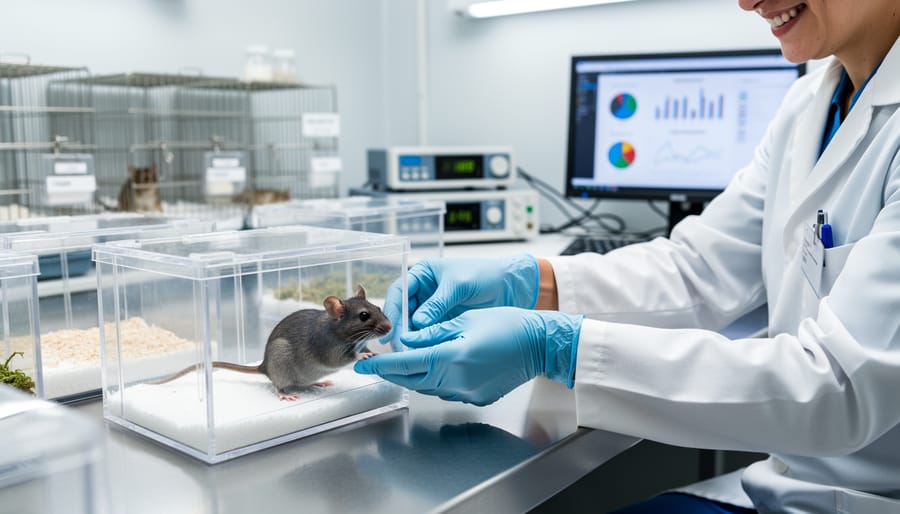
Think of this as a little skill for reading health headlines, because the same habits apply whether the topic is a peptide or a trendy superfood. A study in rodents is a starting point, not a verdict, and a few questions can help you see where a finding really sits.
First, remember that animals are not small people. Rats and mice heal, digest, and respond to compounds differently than we do, so a result in a lab model often fails to carry over to humans. That’s true for plenty of promising ideas, not just this one.
Second, look at how the compound was given. Many BPC-157 studies used injections or carefully measured lab doses under controlled conditions. That tells you very little about what an oral capsule, powder, or online product might do, or whether it contains what the label says.
Third, check the size and the source. Many of these studies were small, and a good share came from a limited number of research groups. Independent replication, where other teams repeat the work and get similar results, is the step that builds real confidence, and here it has been thin.
Finally, note what’s missing. Rigorous human trials are scarce, so we don’t have solid answers about safety or effectiveness in people.
It also helps to know that regulatory status varies from place to place, and BPC-157 isn’t an approved treatment in many regions. If you’re curious about any peptide, talk with a qualified healthcare professional first, especially if you manage a medical condition, take medications, or follow specific dietary needs.
Where Everyday Wellness Habits Fit In

While researchers continue to study compounds like BPC-157 in lab animals, the habits that genuinely support your body’s recovery are ones you can start today, and none of them require a prescription or a special order. Nutrition, movement, rest, and a little planning do much of the heavy lifting, and they fit nicely with the plate approach in Canada’s Food Guide: half vegetables and fruit, a quarter whole grains, and a quarter protein.
You don’t need a big grocery bill to make this work. Plenty of people eat healthy on a budget by leaning on staples that stretch well across the week. A few ideas to build around:
- Eggs and canned fish for affordable, quick protein.
- Dried or canned lentils, chickpeas, and beans to bulk up soups and salads.
- Seasonal, local produce (or frozen vegetables) to fill half the plate.
- Whole grains like oats, brown rice, or barley for steady energy.
- A weekly cook-once, eat-twice habit to cut waste and cost.
Thoughtful, budget-friendly meal planning makes it easier to keep protein on the table without overspending. Pair it with protein-rich recovery meals after workouts or busy days, and you’ve covered a big piece of the puzzle. Sleep matters just as much, so explore foods for better sleep as part of your evening routine.
Some readers also like to explore CBD as one part of their wellness conversation. If that’s you, treat it as a topic to discuss with a qualified healthcare professional, not as a treatment, especially if you take medications or have dietary or medical considerations.
Common Questions About BPC-157 Research
Readers tend to land on the same handful of questions when they first run into this peptide. Here are short, plain-language answers.
Is BPC-157 approved for human use?
It isn’t an approved medicine in Canada, and regulators have raised concerns about peptides sold online. Health Canada warns on peptides so it’s worth reading that guidance directly.
Has it been tested in people?
The research literature is overwhelmingly made up of animal and lab studies. Rigorous human trials are scarce, which is why researchers describe the findings as early and preliminary.
Is it found in food?
No. The name comes from a protein found in stomach fluid, but BPC-157 itself is a lab-made fragment, not something you’d get from meals or everyday supplements.
What does “preclinical” mean for me?
It means the work happened before human trials, in cells or animals. Think of it as a first chapter, not a verdict on how something behaves in people.
Why don’t animal results always carry over to humans?
Bodies differ in metabolism, size, healing speed and how a substance is delivered. A result in a rodent injury model may not repeat in people, which is why human trials matter.
If you’re curious about any of this for your own situation, a conversation with a qualified healthcare professional is the best next step.
BPC-157 is a lab-made peptide that has shown some intriguing results in animal studies, mostly in rodents and mostly from a small circle of research groups. Those findings are early, and they haven’t been shown to carry over to people. That’s the heart of it.
So the next time a headline or a social media post makes BPC-157 sound like a sure thing, you’ll know what questions to ask: Was it studied in animals or humans? How large was the study? Has anyone else repeated it?
Meanwhile, the habits that support recovery are already on your table. Protein-rich meals built around eggs, lentils, and seasonal produce are easy on the budget, and a little planning goes a long way. If you’re curious about any peptide or supplement, a qualified healthcare professional can help you decide what makes sense for you.